CHONGQING, China — The 2nd China Biopharmaceutical Conference and Exhibition (China BioPharm 2026) was held in Chongqing from November 6 to 8, alongside the 2nd Academic Conference of the China Association of Vaccines (CAVAC). The event brought together experts and researchers from regulatory authorities, centers for disease control and prevention, healthcare institutions, research organizations, universities, and biopharmaceutical companies in China and abroad. Discussions covered vaccine research and development, clinical applications, immunization strategies, and high-quality industry development.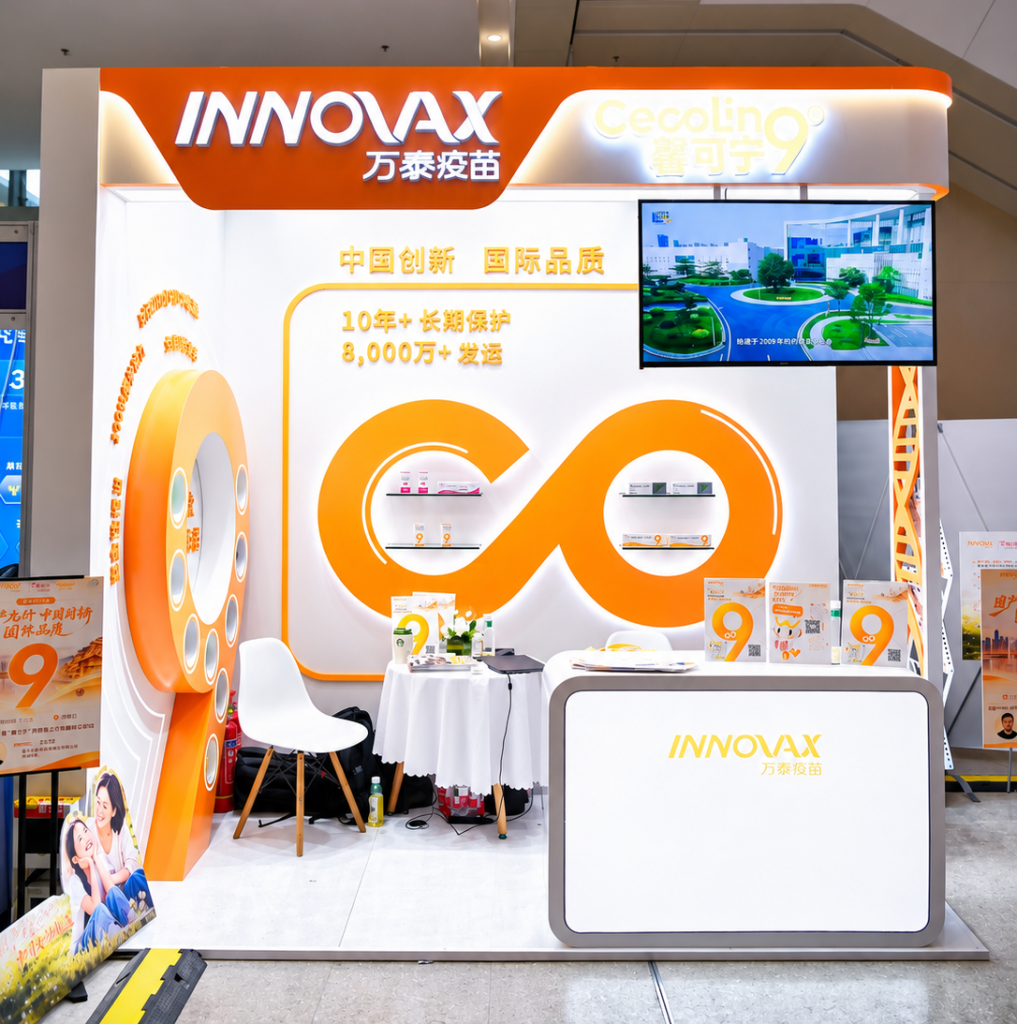
Xiamen Innovax Biotech Co., Ltd. (IX) participated in the conference, showcasing its innovative achievements, including Cecolin 9, a domestically developed 9-valent human papillomavirus (HPV) vaccine, and highlighting recent progress in independent research and development, clinical research, and international expansion.
Over the 20 years since the first HPV vaccine became available, continued scientific advances have brought new vaccines, a growing body of evidence, and evolving prevention strategies. These two decades represent not simply the passage of time for a single product, but sustained progress in HPV vaccination.
As vaccines developed through Chinese innovation continue to advance, HPV prevention is moving toward a broader range of high-quality options. Cecolin 9, the first 9-valent HPV vaccine developed in China and the second globally, continues to build its evidence base through Phase III efficacy trials, randomized head-to-head studies, long-term follow-up, and international multicenter research, supporting its clinical use and international development.
Multiple Layers of Scientific Evidence Support China’s 9-Valent HPV Vaccine
During the conference’s scientific sessions, Wang Daning, R&D Director at IX, delivered a presentation titled “Research, Development, Commercialization and Internationalization of China’s Cecolin HPV Vaccines.” The presentation reviewed the Cecolin vaccine portfolio’s journey from independent R&D and clinical validation to manufacturing and international use, with a focus on key findings for Cecolin 9.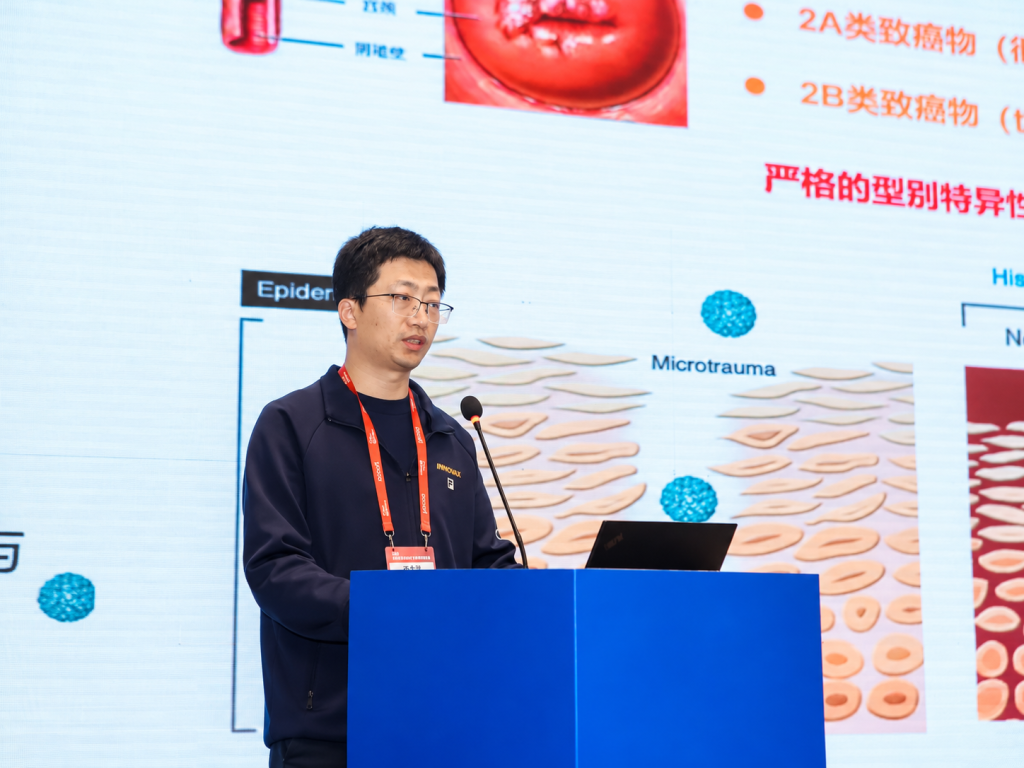
Clinical studies of Cecolin 9 have involved more than 11,000 participants. In a Phase III trial, Cecolin 9 demonstrated 100% protective efficacy against cervical persistent infection lasting at least 12 months associated with HPV types 31, 33, 45, 52, and 58 (95% confidence interval [CI]: 84.9%–100.0%). [1]
In a randomized, blinded, head-to-head study comparing Cecolin 9 with an imported 9-valent HPV vaccine, neutralizing antibody seroconversion rates reached 100% for all nine HPV types in both groups. Immune responses to all nine types with Cecolin 9 met the prespecified non-inferiority criteria, with comparable overall safety profiles. Three-year follow-up further showed that non-inferiority in comparative immunogenicity was maintained for all nine HPV types, with broadly similar antibody decline patterns in the two groups. [2, 3]
In October 2026, PATH presented the Month 6 interim analysis of the international, multicenter Phase III SHINE I study at IPVS 2026. Conducted in Ghana and the Philippines, the study found higher IgG geometric mean concentrations (GMCs) with Cecolin 9 than with the comparator for seven high-risk HPV types—16, 18, 31, 33, 45, 52, and 58—providing new international multicenter evidence to inform research on single-dose HPV vaccination strategies. [4]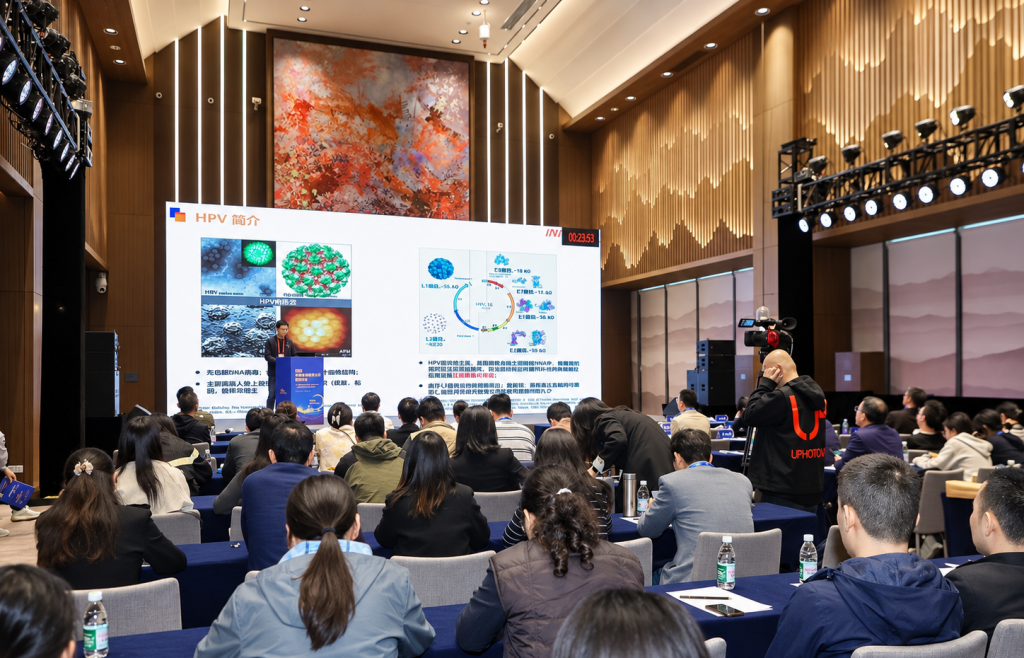
From Chinese Innovation to International Confidence
As the scientific evidence continues to grow, Cecolin 9 is also making progress internationally.
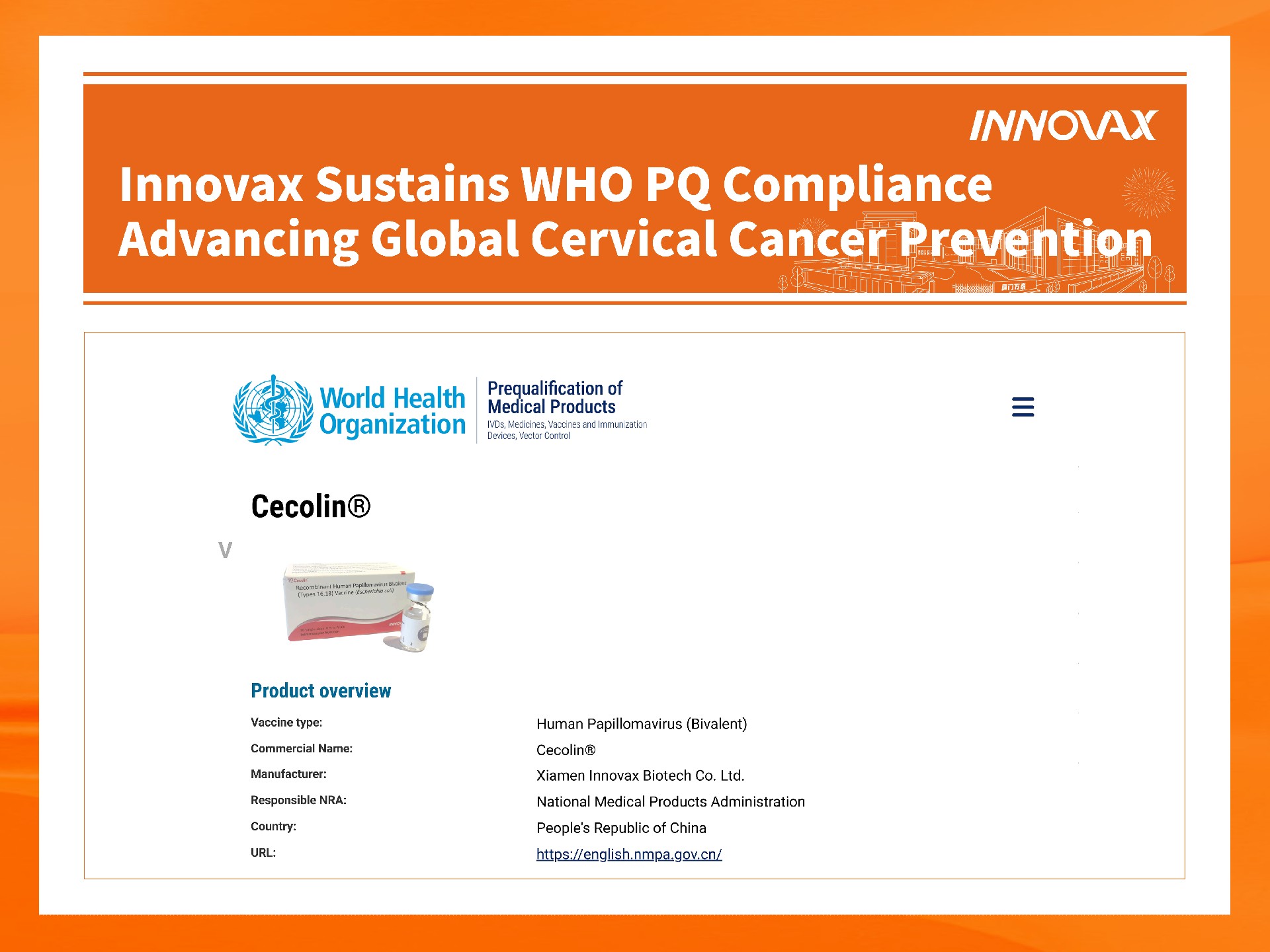
Cecolin 9 was approved in China in 2025 and received its first overseas marketing authorization in 2026, entering the Thai market. Its application for World Health Organization (WHO) prequalification (PQ) has been formally accepted. In addition, the Cecolin 9 manufacturing line passed a Pharmaceutical Inspection Co-operation Scheme (PIC/S) Good Manufacturing Practice (GMP) inspection conducted by the Turkish Medicines and Medical Devices Agency (TİTCK), marking further progress in international quality assurance and global market access.
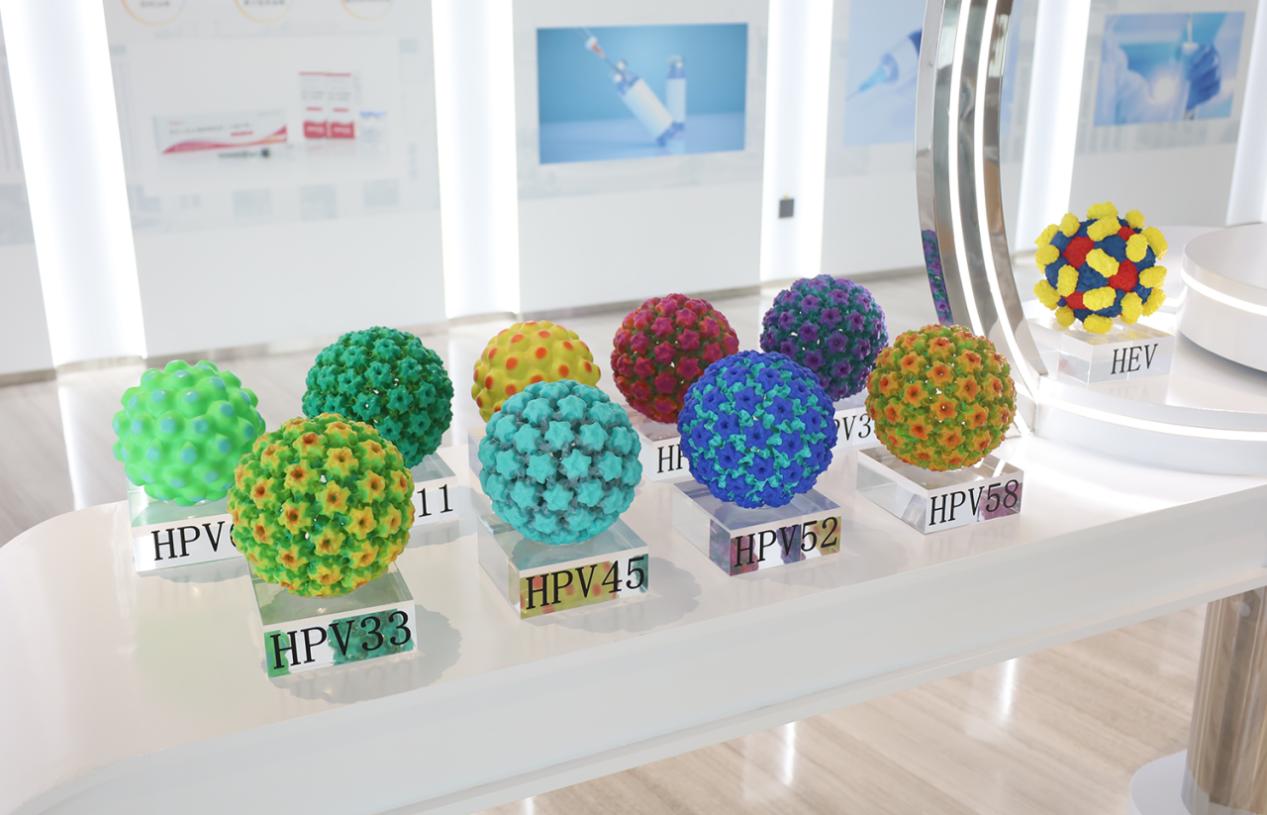
Developed on IX’s proprietary Escherichia coli-based virus-like particle (VLP) technology platform, Cecolin 9 reflects the company’s long-standing expertise and commitment to innovation. From clinical evidence to overseas regulatory milestones, vaccines developed through Chinese innovation are expanding the options available for global HPV prevention through science, quality, and practical implementation.
Sustained Innovation to Expand High-Quality Options for Global HPV Prevention
Twenty years of progress have seen HPV vaccines evolve from the introduction of the first product to an increasingly diverse range of options. Looking ahead, innovation will remain a vital driver of progress in HPV prevention.
Guided by its mission to “provide high quality and affordable vaccines to improve human well-being” IX will continue to strengthen collaboration across academia, research, and industry and deepen engagement with the China Association of Vaccines and global public health partners. By advancing scientific evidence and international cooperation, the company aims to bring more vaccines developed through Chinese innovation to populations worldwide, contributing to more high-quality and accessible options for disease prevention.
References
- Pan HX, Bi ZF, Jing YL, et al. Efficacy, safety, and immunogenicity of an Escherichia coli-produced nine-valent human papillomavirus vaccine: a multicentre, double-blind, randomised, controlled, phase 3 trial. Lancet Infect Dis. 2026;26(11):1190–1202.
- Zhu FC, Zhong GH, Huang WJ, et al. Head-to-head immunogenicity comparison of an Escherichia coli-produced 9-valent human papillomavirus vaccine and Gardasil 9 in women aged 18–26 years in China: a randomised blinded clinical trial. Lancet Infect Dis. 2023;23(11):1313–1322.
- Zhong GH, Bi ZF, Chu K, et al. Immunogenicity comparison of an Escherichia coli-produced 9-valent human papillomavirus vaccine and Gardasil 9 in Chinese women aged 18–26 years: three-year follow-up data from a randomised clinical trial. Lancet Reg Health West Pac. 2025;62:101671.
- PATH. Single-dose HPV Immunobridging Study with New Vaccines I (SHINE I; CVIA 104), Month 6 interim analysis. IPVS 2026, Athens, Greece, October 2026.
 闽公网安备 35020502000554号