Advancing Vaccine Innovation for Global Health
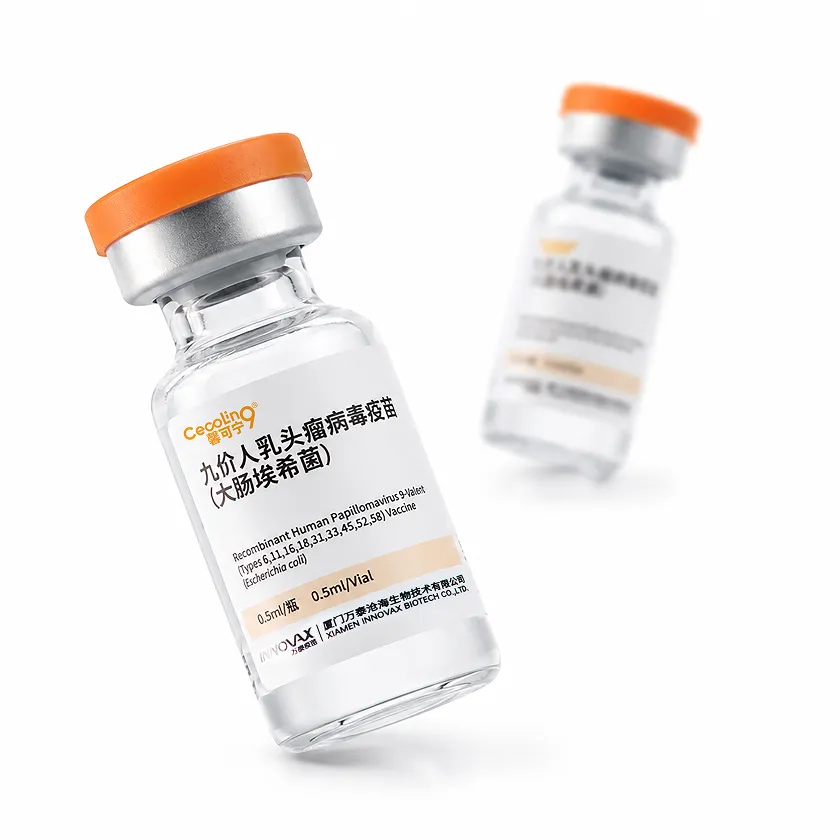

IX continues to strengthen its R&D capabilities through sustained investment in talent, technology platforms, and pipeline development. According to Wantai BioPharm’s 2025 Annual Report, R&D personnel accounted for 25.34% of the company’s total workforce, and total R&D investment reached RMB 860 million in 2025. These continued investments support the advancement of innovative vaccine technology platforms and the development of multiple vaccine candidates.

By combining proprietary technology platforms with scalable manufacturing expertise, IX develops innovative vaccines designed to address major public health needs worldwide.

Advancing Vaccine Innovation for Global Health

E. coli-Derived VLP Platform

IX has built a proprietary Escherichia coli (E.coli) –derived virus-like particle (VLP) vaccine technology platform with full independent intellectual property rights, supporting the efficient development of various innovative vaccines.

<i>E. coli</i>-Derived VLP Platform

A Scalable Platform for Next-Generation Vaccines

Compared with conventional eukaryotic expression systems, the platform offers key advantages in:

Efficient and Scalable Manufacturing

Rapid Production and Response Capability

Robust Safety and Immunogenicity

The platform has enabled the successful development of multiple vaccines and continues to support the advancement of future vaccine candidates.
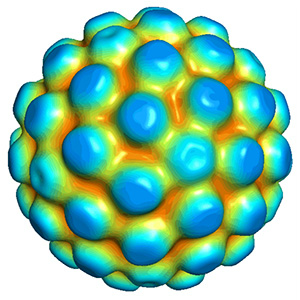
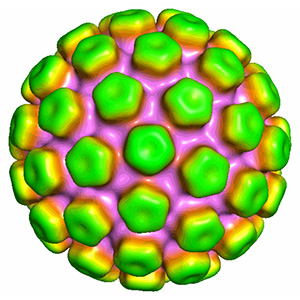
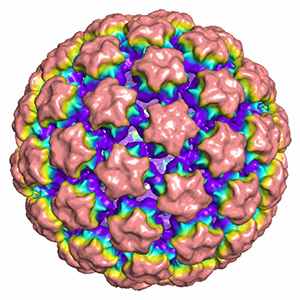
HPV6
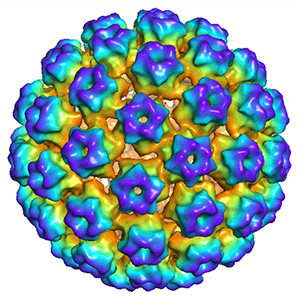
HPV6

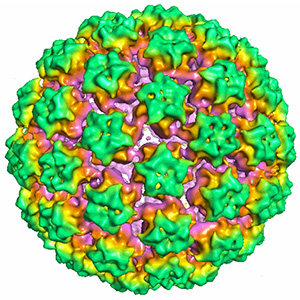
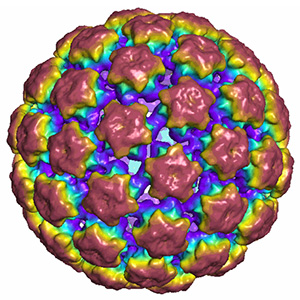
HPV11

HPV11

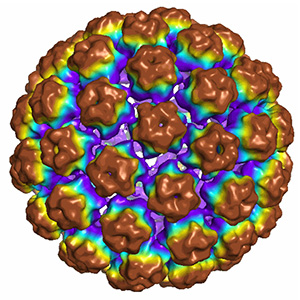
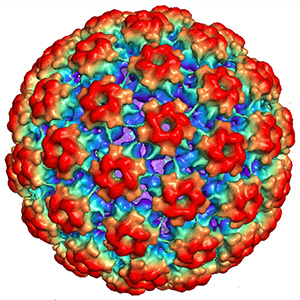
HPV16

HPV16

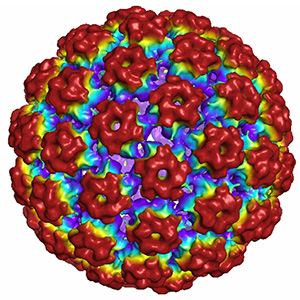
HPV18

HPV18

HPV31

HPV31

HPV33

HPV33

HPV45

HPV45

HPV52

HPV52

HPV58

HPV58

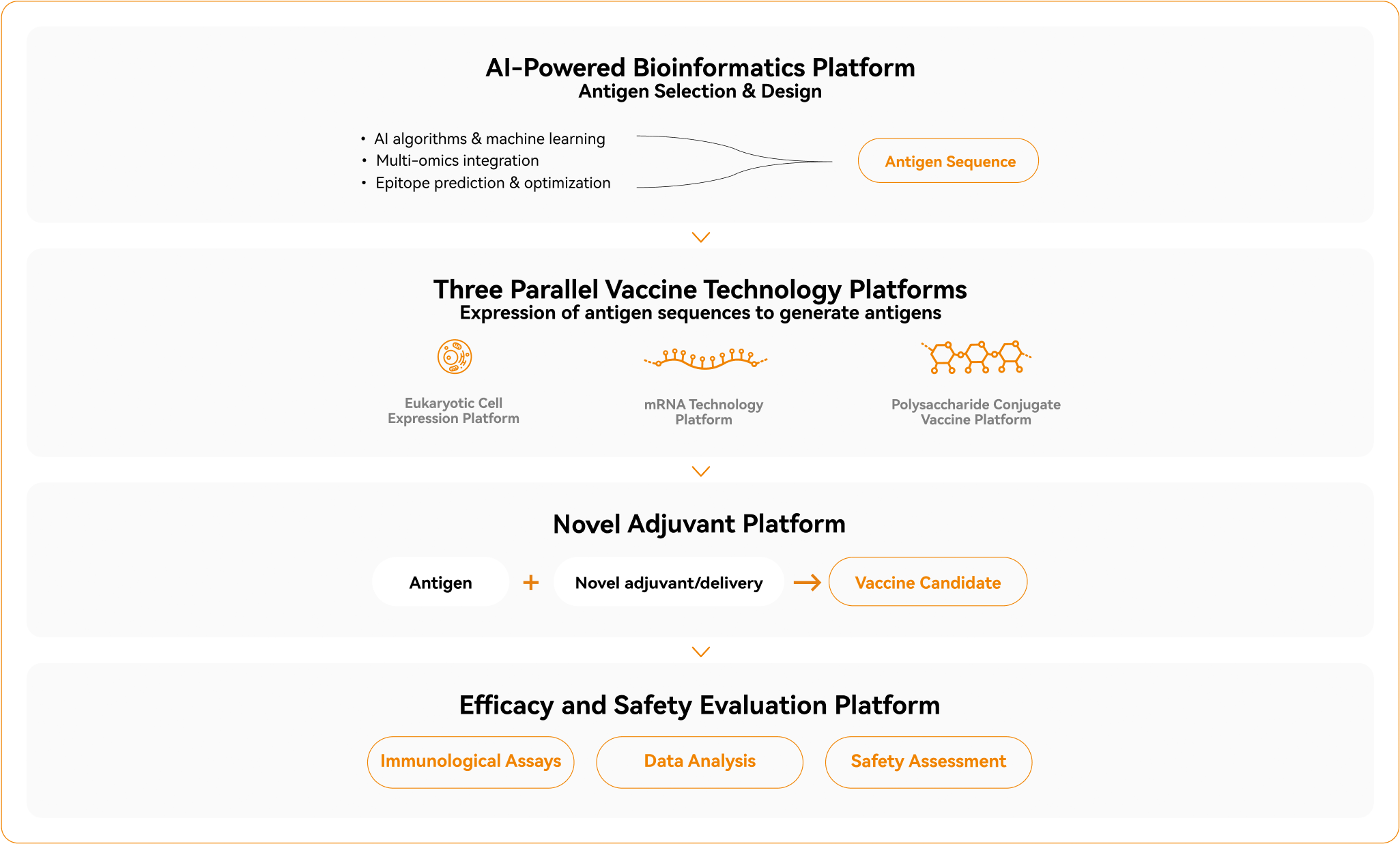
Vaccine Platforms

To support next-generation vaccine development, IX is expanding its R&D capabilities through multiple technology platforms currently under development.

Vaccine Platforms

Pipeline

Our pipeline focuses on infectious disease prevention and next-generation vaccine technologies, supporting sustainable innovation and long-term development in global vaccine markets.

What do the phases of clinical trials mean?

Clinical Trial Phase I trials are the first stage of human testing, usually involving a small number of healthy volunteers or target participants. The primary goal is to evaluate preliminary safety, tolerability and immunogenicity.

Clinical Trial Phase II trials involve a larger group of participants to further assess safety and immunogenicity. These studies may also explore dosage, vaccination schedule and target population, providing key data for Phase III trial design.

Clinical Trial Phase III trials are large-scale studies designed to confirm safety, immunogenicity and protective efficacy in the intended population. The results provide critical evidence to support regulatory review and potential product approval.

Regulatory Review / Registration is the final stage of vaccine development, during which regulatory authorities assess the complete clinical, nonclinical and CMC data package to confirm whether the product meets required standards for safety, efficacy and quality, supporting product registration and marketing authorization.

Our Pipeline

Therapeutic Area
Product / Vaccine Candidate
Phase
Potential Indications
Human Vaccine
Varicella Vaccine (WTYX10001)
I
II
III
R
Prevention of varicella caused by varicella-zoster virus infection.
Human Vaccine
Novel Varicella Vaccine (WTYX10002)
I
II
III
R
Prevention of varicella caused by varicella-zoster virus infection.
Human Vaccine
Pneumococcal Vaccine (AXP1029)
I
II
III
R
Prevention of invasive pneumococcal diseases and pneumonia.
Human Vaccine
AXP1035
CTA Preparation
Prevention of respiratory tract diseases caused by respiratory syncytial virus infection.
Human Vaccine
AXP1020
CTA Preparation
Prevention of rotavirus gastroenteritis in infants and young children.
Human Vaccine
WTYX10003
CTA Preparation
Prevention of hand, foot and mouth disease, herpangina, and related enterovirus diseases.
Human Vaccine
WTYX10004
Preclinical
Prevention of seasonal influenza caused by influenza virus infection.
Human Vaccine
AXP1044
Preclinical
Prevention of HPV-related cervical cancer, penile cancer, genital warts and other related diseases
Real-time data updated as of 2025.